

Are You Making These Common Basement Wall Mistakes?

H&H Concrete and Construction Honest and Reliable since 2001 Building a Concrete Future
Expert Residential Concrete Services
We are the experienced professionals you can trust for all your residential concrete needs. From massive basement pours to intricate retaining walls, our team brings the highest quality workmanship to every job site in Nebraska. You can be sure that your home’s foundation is in good hands with our state-of-the-art equipment and years of experience.
The Truth About Concrete Walls
Your basement walls are the most important part of your home’s structure. They hold up the entire weight of your house while fighting back thousands of pounds of soil and water pressure every single day. Unfortunately, many homeowners and inexperienced contractors make critical mistakes during the design and pouring phases that lead to wet basements, bowed walls, and expensive repairs later.
If you are planning a new build or a renovation, you need to avoid these common pitfalls.
Mistake #1: Treating Concrete as "Waterproof"
One of the biggest mistakes we see is the assumption that a solid concrete wall is naturally waterproof. It isn't. Concrete is a porous material: it's like a hard, dense sponge. Without a true waterproofing system, moisture will eventually find its way through.
Capillary Action: Concrete can wick water from the ground upward into your home.
Seepage: Tiny hairline cracks, which are common as concrete cures, act as highways for Nebraska's heavy rain.
Efflorescence: That white, powdery substance you see on basement walls is actually salt left behind by evaporating water, a sure sign your walls aren't sealed.
We always recommend a high-quality exterior membrane or a premium interior concrete sealer to ensure your basement stays dry. Don't settle for basic "dampproofing" paint: you need a reliable and cost-effective waterproofing plan that lasts.
Mistake #2: Ignoring Hydrostatic Pressure

Nebraska is known for its heavy clay soils. When it rains, that clay expands and holds water like a balloon. This creates "hydrostatic pressure": the force of water pushing against your basement walls.
If your walls aren't engineered to handle this lateral load, they will eventually crack or bow inward. Many homeowners under-engineer their reinforcement, thinking standard thickness is enough. We guarantee that proper wall thickness and a calculated rebar grid are the only ways to prevent structural failure in our local environment.
Mistake #3: Poor Drainage and Grading
You can have the strongest concrete walls in the world, but if water is pooling against them, you’re asking for trouble. We see too many projects where the yard slopes toward the house instead of away from it.
Downspout Failure: Dumping water right next to your foundation is the fastest way to ruin a basement.
No Footing Drain: Every new concrete foundation needs a perforated pipe at the footing level to whisk water away.
Compaction Issues: Backfilling with loose soil that hasn't been properly compacted allows water to sit right against your concrete.

Our Quality Commitment
At H&H Concrete and Construction, we provide the utmost attention to detail. We don't just pour concrete; we build systems that stand the test of time. Whether it's flatwork for your patio or the structural walls for your new home, our team ensures every inch is level, reinforced, and protected.
Mistake #4: Skipping Professional Reinforcement
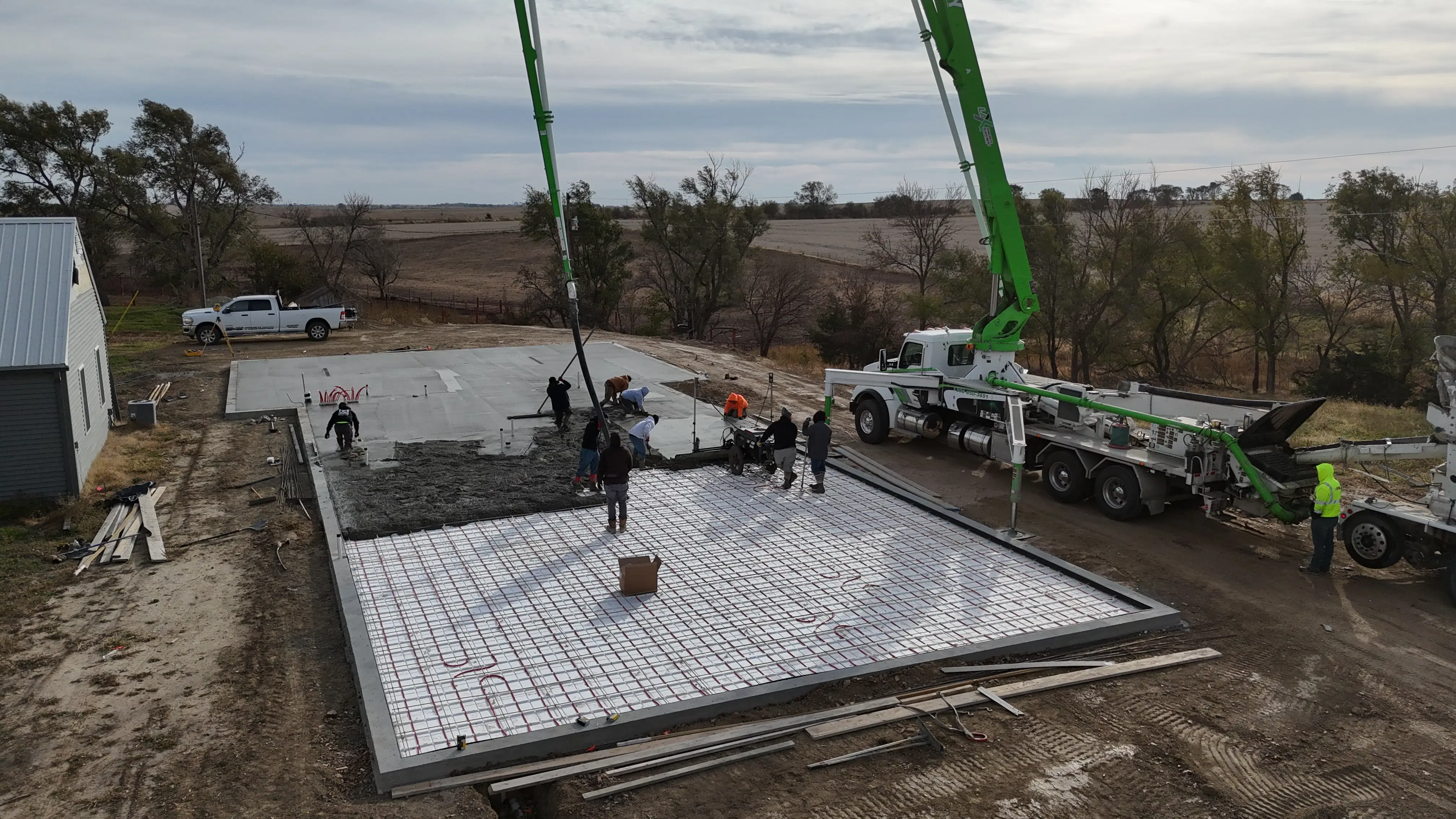
Steel rebar is the "skeleton" of your concrete walls. A common mistake is placing the rebar too far apart or using the wrong grade of steel for the soil type. In Nebraska’s freeze-thaw cycles, your concrete needs that internal strength to stay rigid.
We use state-of-the-art techniques to ensure your rebar grid is tied perfectly and placed at the correct depth within the pour. You can trust our years of experience to get the reinforcement right the first time.
Mistake #5: DIY Framing and Finishing
If you're finishing your basement, don't trap moisture! Many homeowners make the mistake of putting fiberglass insulation and standard drywall directly against concrete.
Mold Growth: Trapped moisture between the concrete and the wall leads to mold in weeks.
Bottom Plates: Always use pressure-treated lumber for any wood touching the concrete floor.
Vapor Barriers: You must have a moisture barrier to protect your finished living space.
Residential Services We Offer
New Driveways: Beautiful and durable solutions for your home.
Patios and Walkways: Custom designs that enhance your outdoor living.
Basement and Retaining Walls: Structural expertise you can rely on.
Concrete Stairs: Precision-built for safety and longevity.
Build Your Future With Us
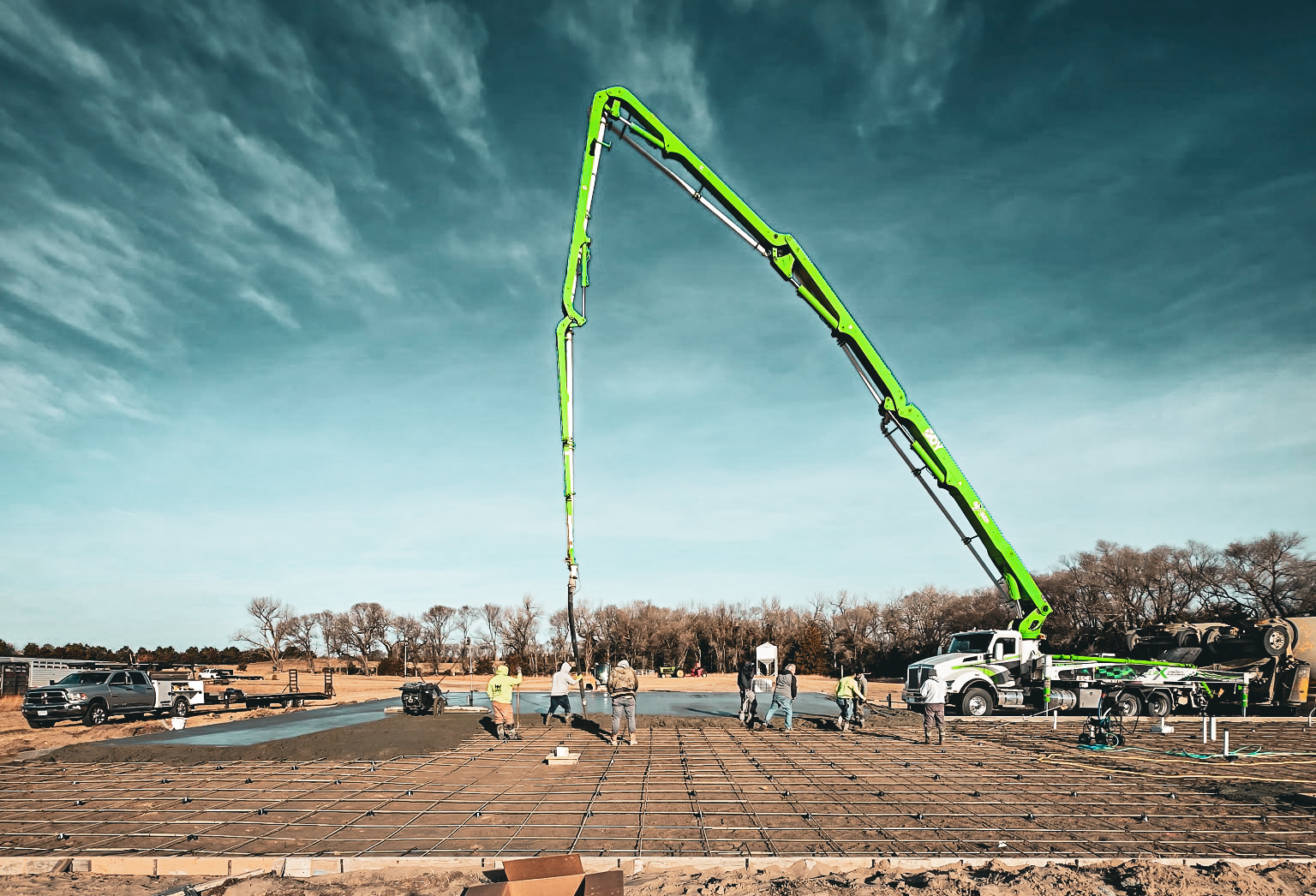
Don't let common mistakes turn your basement into a money pit. You deserve a basement that is dry, safe, and built to last for decades. From the initial excavation to the final smooth finish, H&H Concrete and Construction is the concrete contractor you can depend on for quality workmanship.
Contact us today to discuss your next project!
Comments