

How to Avoid the Biggest Concrete Repair Pitfalls This Spring

Spring in Nebraska is a beautiful thing. The snow melts, the birds start chirping, and suddenly, you realize your driveway or parking lot looks like a topographical map of the Moon. If you’re staring at new cracks, flaking surfaces, or sinking slabs, you aren’t alone. Between Grand Island, Omaha, and Doniphan, we’ve seen it all.
At H&H Concrete and Construction, we know that spring is the busiest time for concrete repair. Everyone wants their property looking sharp before the summer heat hits. But before you run out to the hardware store for a tub of patch or hire the first "concrete repair near me" that pops up on Google, you need to know the pitfalls. Fixing concrete isn't just about filling a hole; it’s about understanding why the hole happened in the first place.
The Nebraska "Freeze-Thaw" Nightmare
Before we dive into the pitfalls, let's talk about the "why." Nebraska winters are brutal on concrete. We deal with the freeze-thaw cycle, which is essentially a heavyweight fight between your concrete and the ground beneath it.
When water gets into small cracks or under your slab, it freezes and expands. That expansion exerts massive pressure, pushing the concrete up (heaving). When it melts, the water runs off, often taking some of the supporting soil with it, leaving a void. The slab then drops back down, but often not in the same place. Repeat this thirty or forty times a winter, and you’ve got a recipe for major damage.
Pitfall #1: Ignoring the "Why" and Just Treating the "What"
The biggest mistake homeowners and business owners make is jumping straight to a patch without diagnosing the root cause. If you have a crack because your downspouts are dumping water directly under the corner of your garage, filling that crack is a waste of time. It will be back next spring, and it will be bigger.
Before you start any concrete repair, look at the environment. Is there standing water? Is the soil washing away? If you don't fix the drainage, you aren't fixing the concrete: you're just decorating a problem.

Pitfall #2: The DIY "Quick Fix" Trap
We get it. You’re at the home improvement store, you see a bucket of "Instant Concrete Patch," and you think, "I can save a few thousand bucks by doing this myself."
Here’s the reality: most DIY patch materials are different from the original concrete. They have different expansion rates, different textures, and they rarely bond well to old, dirty concrete. Within a year, those patches usually pop out or crumble.
If you're dealing with structural issues, like a sinking porch or a cracked foundation wall, a DIY kit is like putting a band-aid on a broken leg. For long-term results, you need professional-grade materials and the expertise of a seasoned concrete contractor. You can learn more about why experience is vital in our guide on choosing a concrete contractor in Nebraska.
Pitfall #3: Neglecting Proper Surface Preparation
If you do decide to tackle a small repair or hire a budget contractor, watch out for the "slap and dash" method. You cannot put new concrete over old, dusty, oily, or loose concrete and expect it to stay.
Proper concrete repair requires:
Power washing: Removing all dirt, salt residue from winter, and loose debris.
Routing: Sometimes you have to make a crack slightly wider or deeper to give the repair material a "key" to lock into.
Bonding Agents: Professional contractors use specific primers that act like glue between the old slab and the new material.
Without these steps, your repair is destined to peel off like a bad sunburn.
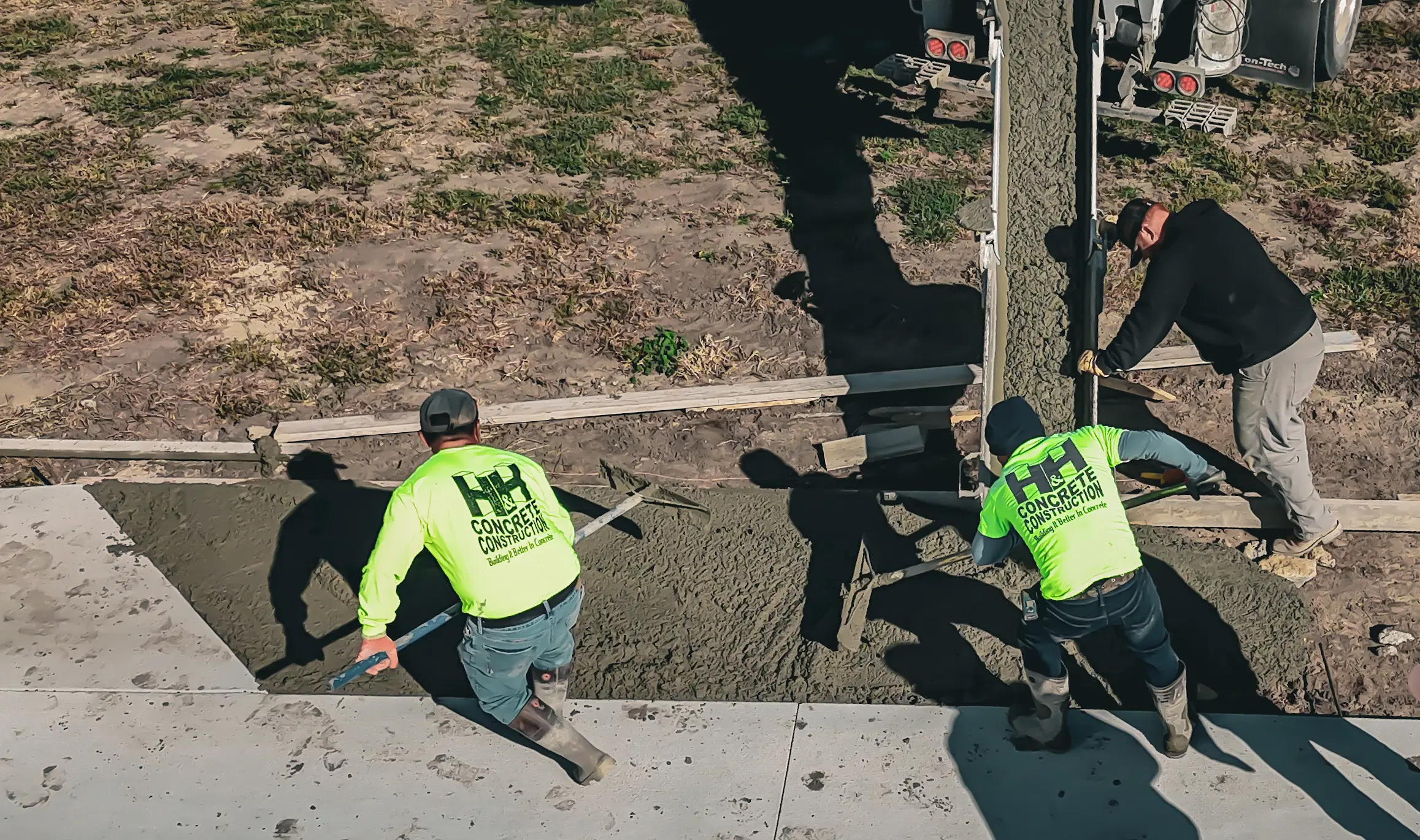
Pitfall #4: Overlooking Drainage and Water Management
We see this constantly in both residential services and commercial concrete projects. Water is the #1 enemy of concrete. If your parking lot or driveway doesn't have the right slope, or if your gutters are clogged, you’re asking for trouble.
In the spring, heavy rains follow the snowmelt. If that water has nowhere to go, it pools. If it pools on your concrete, it seeps in. If it pools next to your concrete, it softens the subgrade (the dirt and gravel under the slab). Once that subgrade turns to mud, the weight of a car or truck will cause the concrete to crack or sink.
We’ve written extensively on why proper drainage matters because it’s the most important factor in keeping your concrete alive for 20+ years instead of 5.
Pitfall #5: Waiting Too Long to Act
"It’s just a small crack, I’ll deal with it next year." Famous last words.
In the world of concrete, small cracks are invitations for water. Water brings ice. Ice brings expansion. Before you know it, that small crack has turned into a "trip hazard" that could lead to a lawsuit (especially for businesses) or a total slab failure.
Early intervention is always cheaper. Patching a crack or sealing a joint costs a fraction of what it takes to rip out a driveway and pour a new one. If you’re unsure if your concrete can be saved, check out our post on the truth about concrete repair vs. replacement.

Commercial Concrete Pitfalls: More Than Just Aesthetics
For our business clients in Grand Island and Omaha, concrete repair isn't just about curb appeal; it’s about liability and compliance.
ADA Compliance
If your sidewalk or curb ramps have shifted or cracked during the winter, you might no longer be in compliance with ADA standards. Even a 1/4 inch vertical "lip" can be a tripping hazard and a legal liability. As a commercial concrete contractor, we specialize in making sure your entryways and parking lots meet all local and federal regulations. For more on this, check out our guide on navigating Grand Island commercial concrete compliance.
Heavy Traffic Loads
Commercial slabs take a beating from delivery trucks and heavy equipment. A simple "repair" that works for a residential patio won't hold up in a loading dock. You need high-strength mixes and often, specialized reinforcement or pumping services to get the job done right in tight commercial spaces.
Why H&H Concrete and Construction Is Your Best Bet This Spring
When you look for a concrete contractor, you want someone who knows the local soil, the local weather, and the right way to handle the job. We aren't just guys with a truck and a shovel. We are experienced professionals who take pride in providing the highest quality work.
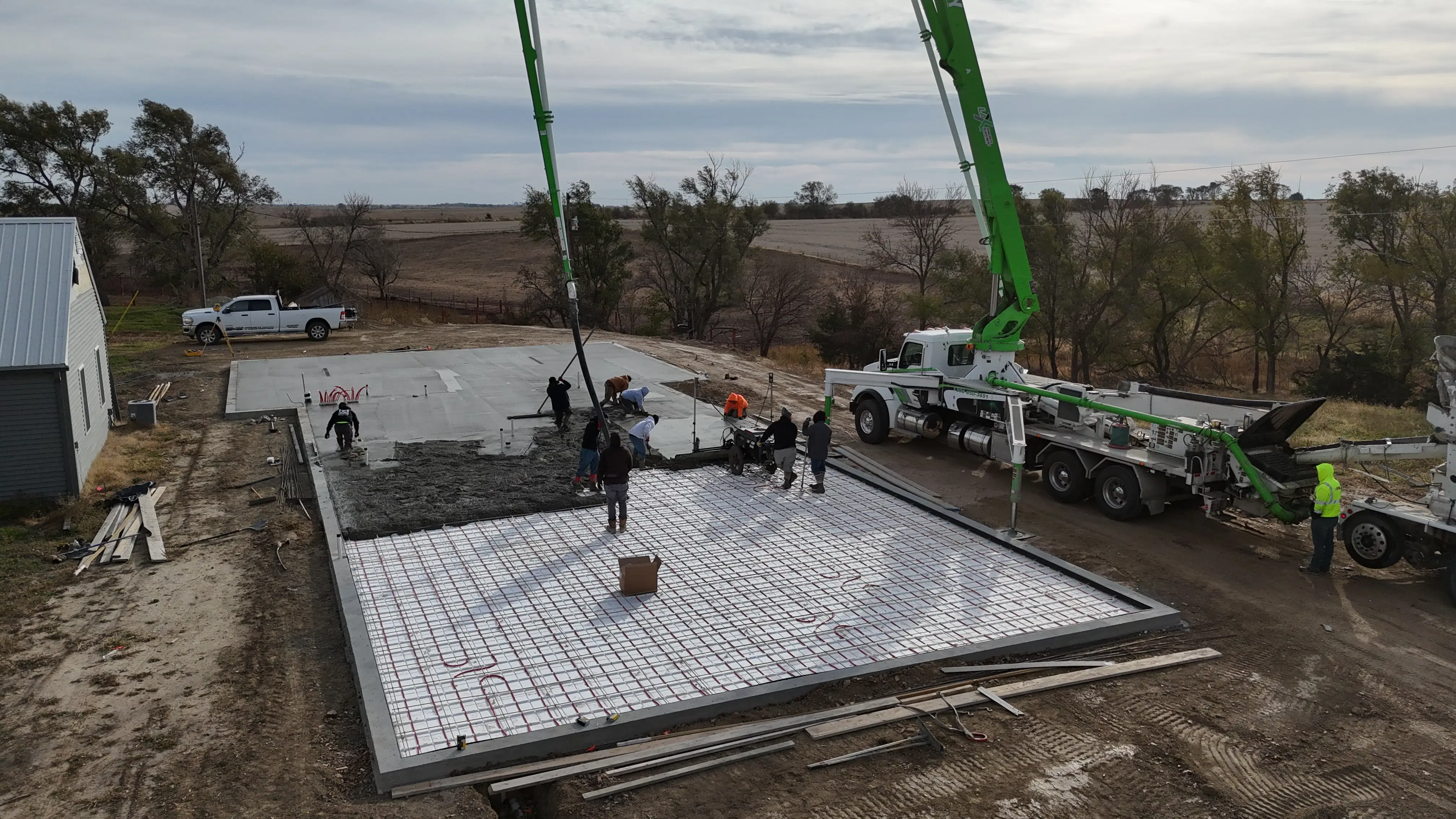
We use state-of-the-art equipment, including pump trucks for those hard-to-reach areas. Using a pump truck can actually be a game-changer for residential repairs where we need to get concrete into a backyard without destroying your lawn with a heavy mixer truck. If you’re curious, we’ve broken down how pump trucks save you money.
Our Commitment to You:
Experienced Professionals: Years of experience in the Nebraska climate.
Highest Quality Materials: We don't cut corners with cheap "big box" store mixes.
Reliable and Cost-Effective: We provide honest assessments. If it can be repaired, we’ll tell you. If it needs to be replaced, we’ll explain why.
Beautiful, Durable Results: We guarantee our work will stand up to the test of time and weather.
Final Thoughts: Don't Let Spring Pass You By
The window for perfect concrete weather in Nebraska is shorter than you think. Once the humidity of summer hits, or the unpredictable fall rains start, the job gets harder. Spring is the time to assess, plan, and execute your concrete repair.
Whether you need a simple crack filled in your Doniphan driveway or a complete parking lot overhaul in Omaha, H&H Concrete and Construction is ready to help. Don't fall into the common pitfalls of poor prep, bad drainage, or "shady" contractors. Trust the team that treats every project with the utmost attention to detail.
Contact us today for a consultation. Let’s get your concrete back in shape so you can enjoy the rest of your spring and summer without worrying about what’s under your feet.
For more tips on keeping your property in top shape, explore our ultimate Nebraska concrete guide. We’ve got the info you need to make the best decision for your home or business.

Comments