

7 Mistakes You’re Making with Low-Carbon Concrete (and How to Nail the Finish)

At H&H Concrete and Construction, we have seen the industry shift toward more sustainable materials, and low-carbon concrete is leading the charge. Using supplementary cementitious materials (SCMs) like slag, fly ash, and calcined clay isn't just a trend: it is the future of our industry. However, we also know that these "green" mixes don't behave like your grandfather’s straight Portland cement.
If you treat low-carbon concrete like a standard mix, you are setting yourself up for surface failures, delays, and costly repairs. We are reliable and cost-effective experts who have spent years of experience perfecting the art of the finish. Below, we break down the seven most common mistakes we see in the field and exactly how our team ensures a beautiful, durable result every time.
Navigate This Guide: Top of Page | Contact Us for a Quote
1. Treating It Like Standard OPC (The "Same Old" Mentality)
The biggest mistake is assuming that a 20% slag or 30% fly ash mix will set and bleed exactly like Ordinary Portland Cement (OPC). It won't. Low-carbon mixes often have a "sticky" consistency and a much slower initial set time, especially in cooler weather.
Our Approach: We don’t rely on a "rule of thumb" for timing. We monitor each specific pour for its unique behavior. Because we are experienced professionals, we know that the finishing window for these mixes is often wider and more unpredictable. We adjust our crew schedules to stay on-site as long as necessary to catch that perfect window.
2. The Bleed Water Blunder
Finishing while bleed water is still on the surface is a recipe for disaster. With low-carbon concrete, bleed water can be deceptive. Sometimes it takes longer to appear, and other times it may be significantly reduced. If you start troweling while that water is still rising, you trap it just below the surface.
The Consequences:
Delamination
Surface scaling
Weakened top layers
At H&H, we ensure that every drop of bleed water has evaporated before the power trowels ever touch the slab. This utmost attention to detail is why our commercial foundations and parking lots stand the test of time.
3. Closing the Surface Too Early
Because low-carbon concrete can be "sticky," there is a temptation to use a steel trowel early to smooth it out. Closing the surface: or sealing it: too soon traps air and moisture inside. This is a primary cause of blistering and delamination in high-SCM floors.
Pro-Tip from H&H: We start with wood or magnesium floats to keep the "pores" of the concrete open. This allows the concrete to breathe while it gains internal strength. We only move to steel trowels once the slab can support the weight of the finisher without leaving deep indentations.
4. Letting the Wind Win (Evaporation Control)
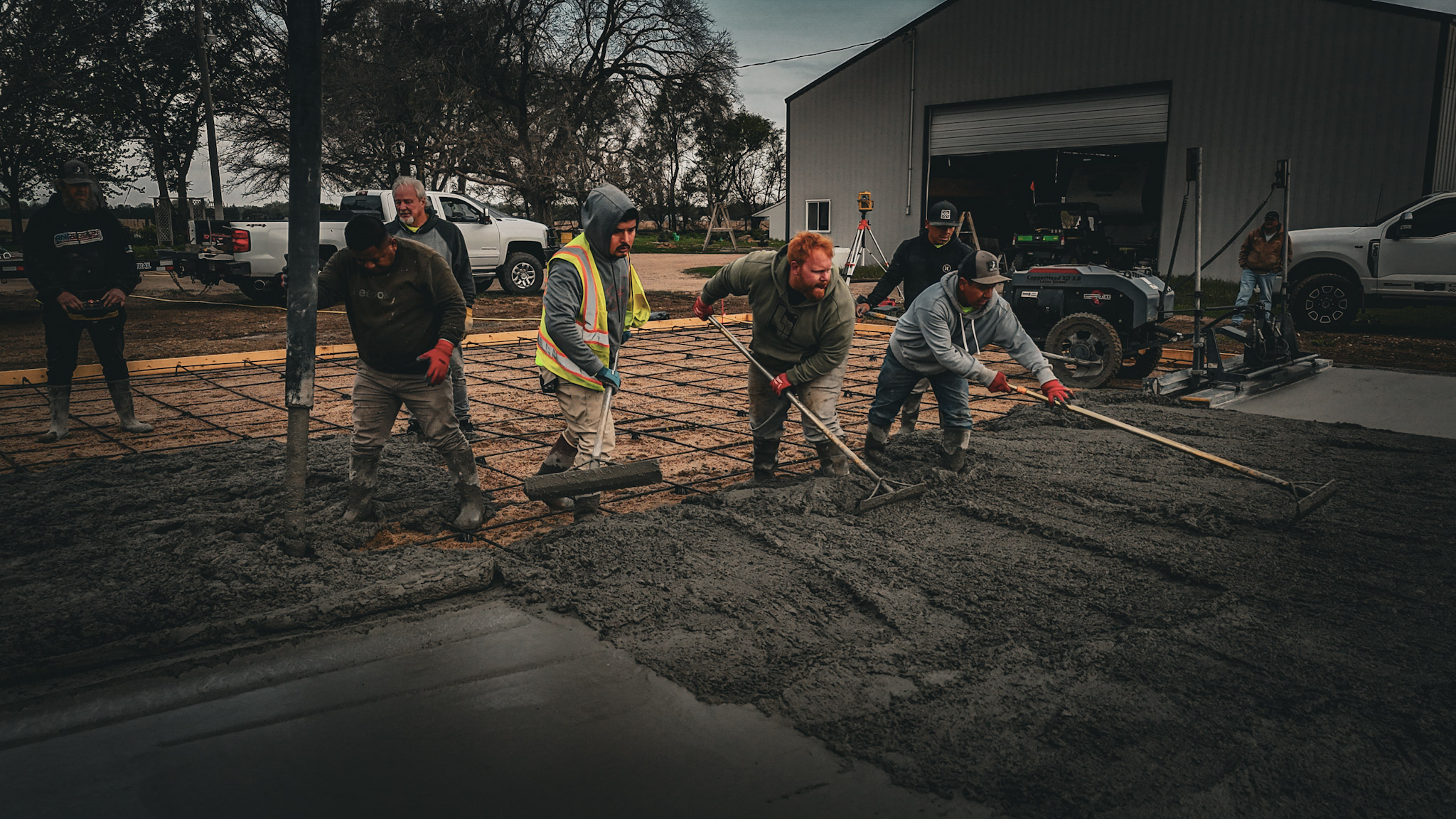
Many low-carbon mixes, particularly those with high fly ash content, produce very little bleed water. While this might seem like a benefit, it actually makes the slab more vulnerable to plastic shrinkage cracking. If the surface moisture evaporates faster than the concrete can replenish it, the surface will pull apart and crack before it even sets.
How We Nail It: We use state-of-the-art equipment and protective measures like windbreaks and evaporation retarders. By keeping the surface hydrated during the critical first few hours, we guarantee a smooth, crack-free finish that our clients can trust.
5. The "Set and Forget" Curing Fail
Curing is where many contractors cut corners, but with low-carbon concrete, it is the most vital step. SCMs like slag and fly ash require longer periods of moisture to reach their full strength and abrasion resistance. A standard 3-day cure isn't enough; these mixes often need 7 to 14 days of consistent hydration.
Our Quality Standard: We believe in building a concrete future that lasts. That’s why we utilize robust curing methods: whether it's wet burlap, curing blankets, or high-quality membranes. This extra effort results in a surface that is not only beautiful but incredibly durable and resistant to dusting.
6. Rushing the Polish
If you are planning a polished concrete floor for a commercial space, patience is your best friend. Low-carbon concrete takes longer to reach the necessary surface hardness (typically a Mohs 4+) for a clean grind. Grinding too early will wear out your tools prematurely and result in a dull, uneven shine.
Why Choose H&H? We offer tailored services for businesses that include specialized decorative touches. We perform scratch tests to verify the slab's hardness before we begin any polishing work. You can be sure that our results will provide the high-gloss, professional look your business deserves.
7. Watering Down Your Quality
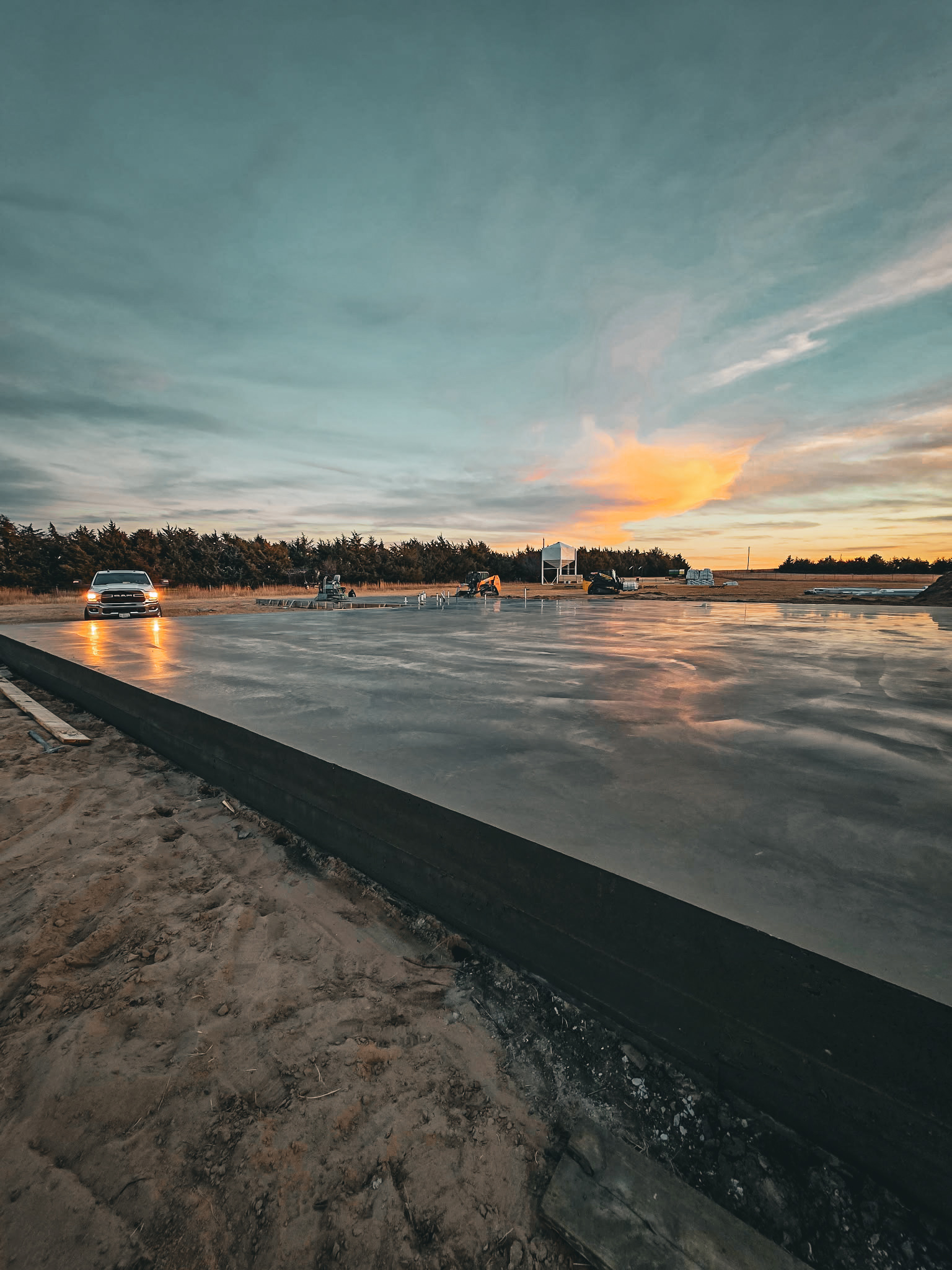
When a mix gets sticky or the sun starts beating down, some crews are tempted to "bless" the slab with extra water from a hose to make it easier to work. Never do this. Adding water to the surface at the jobsite destroys the water-to-cement ratio, resulting in a weak, dusty, and prone-to-scaling surface.
The H&H Way: We use advanced chemical admixtures and superplasticizers at the batch plant to ensure workability without compromising strength. Our commitment to getting the job right the first time means we never take shortcuts that jeopardize the integrity of your project.
Project Summary:
Project Type: Commercial Slab Finishing
Location: Service Area - H&H Concrete and Construction
Specialty: Low-Carbon Concrete Management
How to Nail the Finish: The H&H Checklist
To get the highest quality results with sustainable concrete, we follow a rigorous process:
Pre-Pour Planning: We coordinate with the ready-mix supplier to understand the exact SCM percentages.
Mock-Ups: For large-scale projects, we recommend a test pour to dial in the finishing timing.
Wait for the Bleed: Patience is a core value of our experienced professionals.
Right Tools, Right Time: From bull floats to laser screeds, we use the right equipment for the material.
Extended Curing: We protect your investment with long-term hydration strategies.
Whether you need a new commercial parking lot or a high-end residential driveway, you need a team that understands the science behind the material. We are Honest and Reliable since 2001, providing state-of-the-art solutions for every project.
Trust the Experts
Don't let your "green" project turn into a gray nightmare. Low-carbon concrete offers incredible benefits for the environment and long-term durability, but it requires the utmost attention to detail that only years of experience can provide.
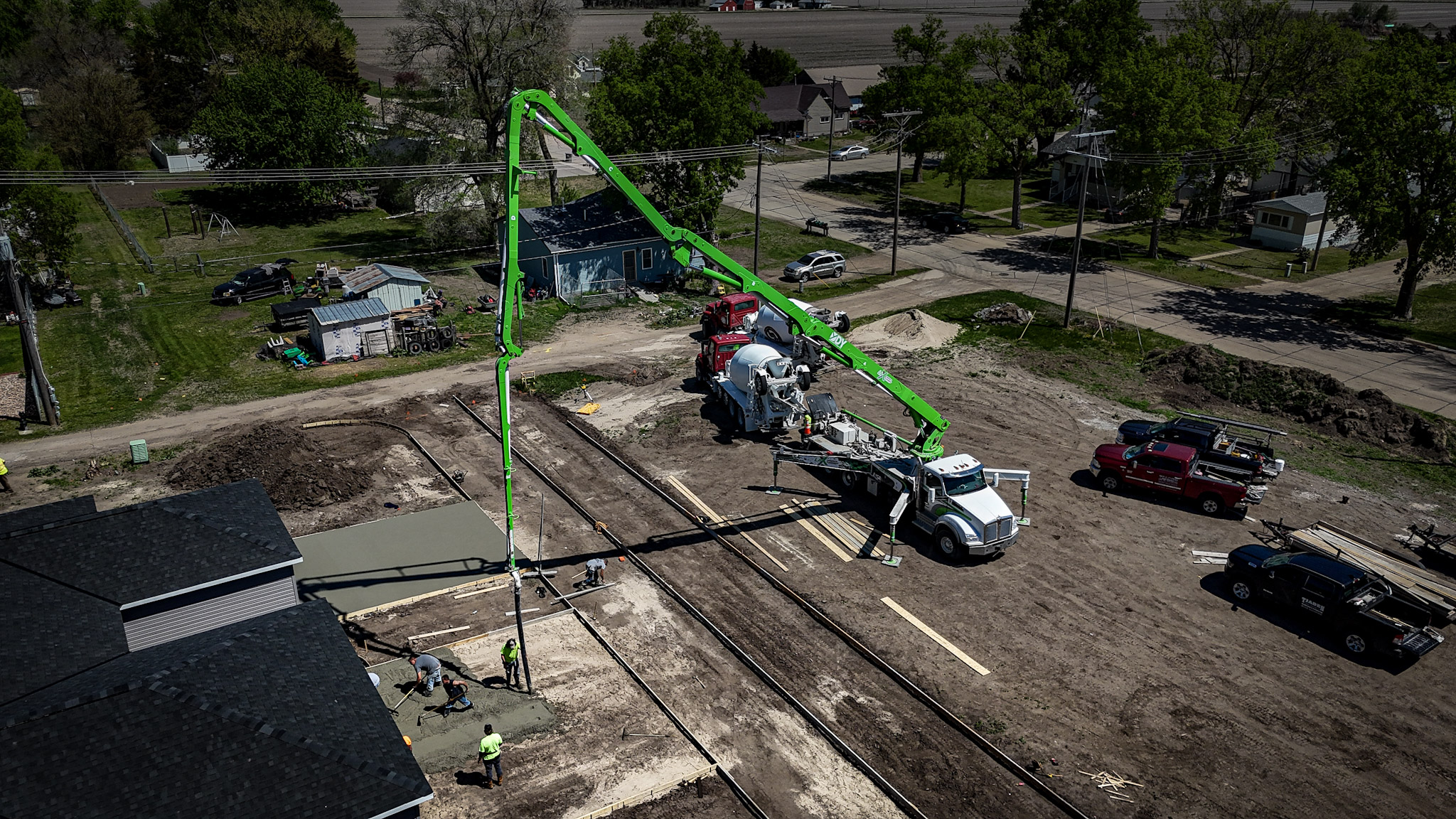
At H&H Concrete and Construction, we specialize in pouring and finishing concrete for both residential and commercial clients. From large-scale warehouse floors to intricate walkways, we are the experienced professionals you can trust.
Contact us today to discuss your next project and see how we can build a concrete future together.
Navigate This Guide: Top of Page | View Our Services
Comments