

Concrete Cracking Secrets Revealed: What Experts Know About Preventing Premature Wear

At H&H Concrete and Construction, we understand that when you invest in a new driveway, a commercial warehouse floor, or a decorative patio, you expect it to last for decades. However, there is a common phrase in our industry: "There are two types of concrete: concrete that is cracked and concrete that is going to crack."
While that might sound discouraging, it isn't the whole story. As a premier concrete contractor, our job isn't just to pour mud; it’s to engineer a durable surface that defies the elements. While microscopic hairline fractures are a natural part of the material’s lifecycle, major structural cracks and premature wear are almost always preventable.
In this guide, we’re pulling back the curtain on the industry secrets that separate a "good enough" pour from an H&H masterwork. We will explore why concrete fails, how our team prevents it through elite workmanship, and what you can do to ensure you never have to search for "concrete repair near me" prematurely.
The Science of the Snap: Why Concrete Cracks
To prevent cracking, you first have to understand the enemy. Concrete is incredibly strong in compression (pushing down on it), but it is relatively weak in tension (pulling it apart). Most cracking occurs because of internal or external "tensile" forces.
1. The Drying Shrinkage Factor
Concrete doesn't actually "dry" like a wet towel; it undergoes a chemical reaction called hydration. As the water is consumed by the cement to create the crystalline structure of the slab, the overall volume of the material shrinks. On average, concrete shrinks about 1/8 of an inch for every 20 feet. If that shrinkage is restricted by the subgrade or the walls of a building, the concrete will pull against itself until it snaps.
2. The "Too Much Water" Trap
One of the most common mistakes made by less experienced crews is adding too much water to the mix to make it easier to spread. While "soupy" concrete is easy to work with, that extra water eventually evaporates, leaving behind microscopic voids and excessive shrinkage. This is a primary recipe for premature wear and spiderweb cracking.
3. Subgrade Settlement
If the dirt underneath your slab isn't compacted correctly, or if it washes away due to poor drainage, the concrete will lose its support. Without a solid foundation, the heavy slab will eventually sag and crack under its own weight or the weight of vehicles.
Prevention Secret #1: The Foundation of the Foundation
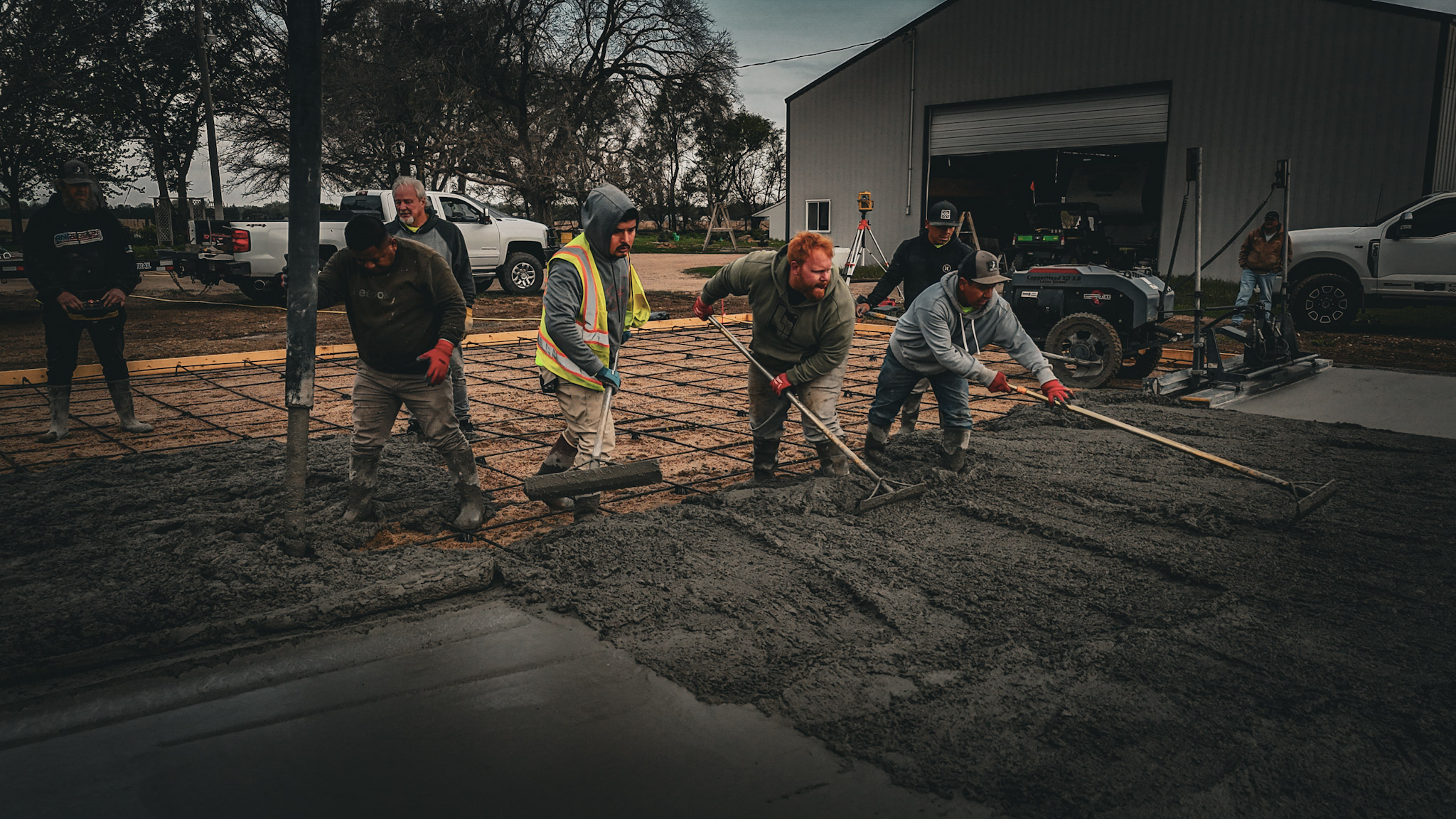
At H&H Concrete and Construction, we believe the most important part of a concrete job happens before the truck even arrives. As an experienced concrete contractor, we put an immense amount of focus on subgrade preparation.
We ensure the soil is properly compacted and, in many cases, we install a well-graded gravel base. This base serves two purposes: it provides uniform support to the slab and acts as a drainage layer to keep moisture from pooling beneath the concrete. When moisture gets trapped and freezes, it creates "frost heave," which can snap even the thickest slabs like a toothpick. Our about us page highlights our commitment to these foundational standards.
Prevention Secret #2: Precision Mix Designs
Not all concrete is created equal. The "secrets" of a long-lasting slab often lie in the specific mix design used for the project. Depending on whether we are pouring a residential sidewalk or a heavy-duty industrial floor, we adjust the PSI (pounds per square inch) and the air entrainment levels.
Air entrainment is a process where billions of microscopic bubbles are intentionally created within the concrete. These bubbles act as internal pressure-relief valves. When water enters the concrete and freezes, it expands into these tiny air pockets instead of shattering the concrete from the inside out. We use the highest quality materials and state-of-the-art additives to ensure our mixes are optimized for the specific climate and load requirements of your project.
Prevention Secret #3: Strategic Control Joints
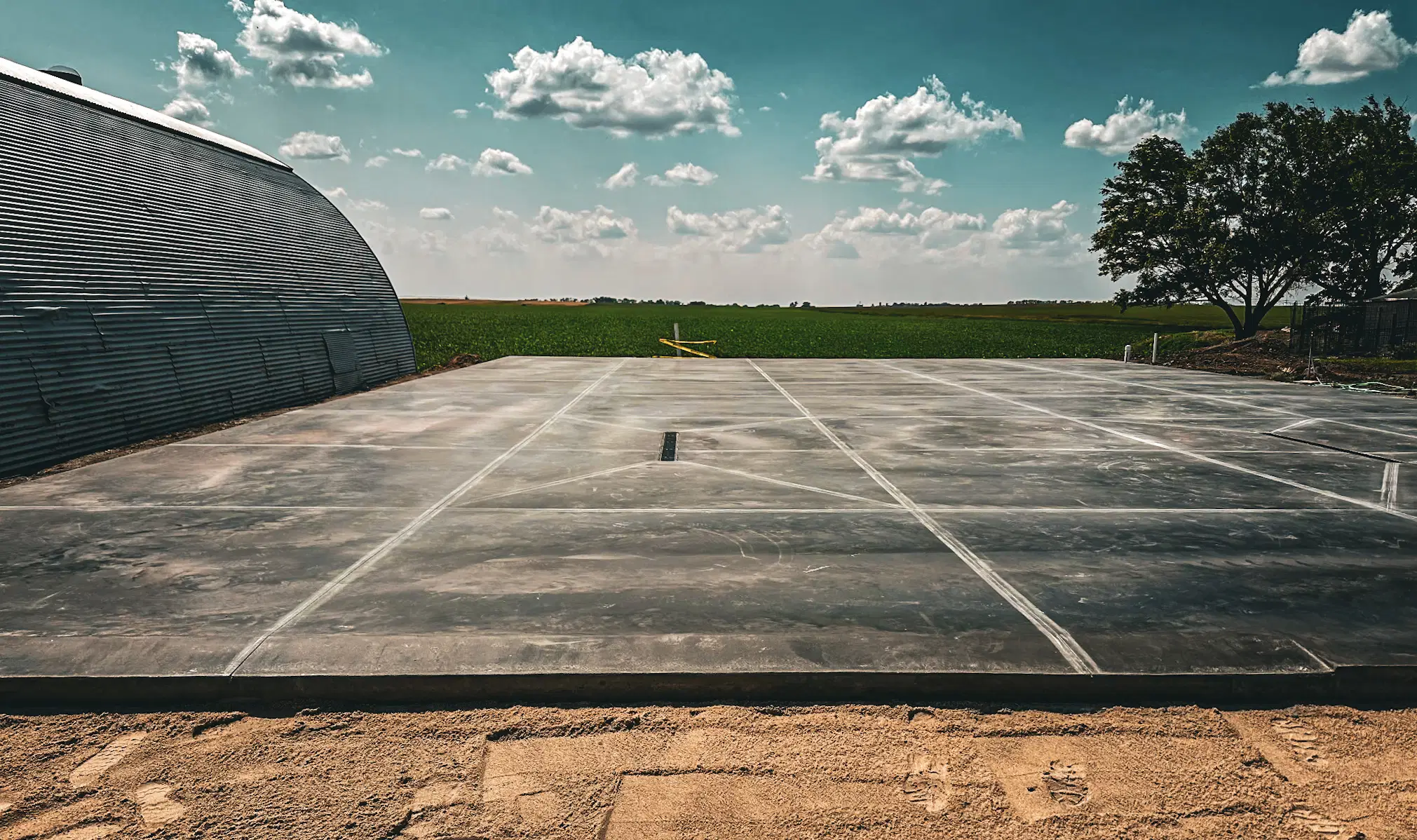
Since we know concrete is going to shrink, we have to tell it where to crack. This is the art of the control joint.
Experts know that by cutting deep grooves into the slab at specific intervals, we create "weak spots" that encourage cracks to form at the bottom of the groove rather than across the surface. These joints must be cut to a depth of at least 1/4 the thickness of the slab. If the joints are too shallow or spaced too far apart, the concrete will ignore them and crack wherever it pleases.
At H&H, we use precision saw-cutting to ensure these joints are both functional and aesthetically pleasing, keeping your project looking sharp and professional for years.
Prevention Secret #4: The Backbone of Reinforcement
While reinforcement like rebar or wire mesh won't necessarily stop a crack from starting, it is the "secret" to keeping that crack from becoming a problem. Reinforcement holds the two sides of a crack tightly together, preventing vertical displacement (where one side of the crack becomes higher than the other) and keeping the slab structurally sound.
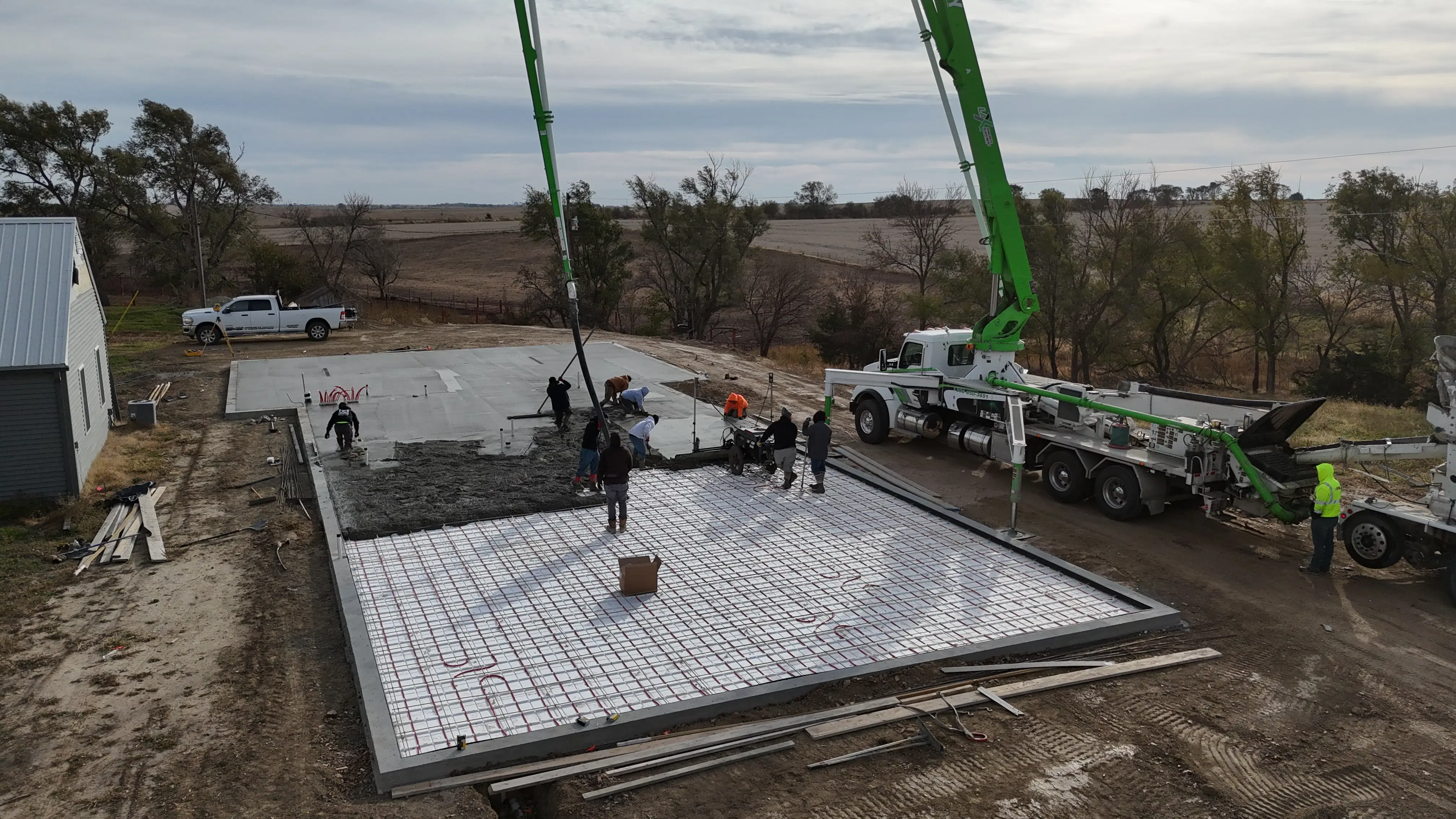
For high-traffic areas or heavy industrial loads, we use heavy-duty rebar grids tied with precision. This ensures that even if a hairline fracture appears, the integrity of the surface remains uncompromised. You can see examples of our reinforced industrial projects on our projects page.
The Curing Phase: Don't Rush Greatness
The first seven days after a pour are the most critical in the life of the concrete. This is where most "amateur" jobs fail. If the surface of the concrete dries out too quickly while the interior is still wet, the resulting "differential shrinkage" causes map cracking (small, shallow cracks that look like a roadmap).
We utilize professional curing methods: which may include curing compounds, plastic sheeting, or wet burlap: to lock the moisture inside the slab. This allows the hydration process to complete fully, resulting in a much harder, more durable surface. We treat every pour with the utmost attention, ensuring that we never rush this vital stage.

Ongoing Insurance: Maintenance and Sealing
Even the best-poured concrete requires a little love to stay in peak condition. If you want to avoid searching for "concrete repair near me" five years down the road, you must protect your investment.
1. Sealing is Mandatory
Think of a sealer like wax on a car. It provides a protective barrier that keeps water, salt, and oil from penetrating the pores of the concrete. We recommend resealing your concrete every 2-3 years, depending on traffic and weather exposure.
2. Clear the Debris
Leaves, dirt, and standing water can create organic acids that eat away at the surface finish over time. Regular sweeping and occasional pressure washing will keep the surface looking new.
3. Address Small Issues Early
If you do notice a small crack or a chip, don't wait for it to grow. Water can enter even the smallest cracks, freeze, and expand, turning a minor blemish into a major structural failure. We offer professional concrete repair services to nip these problems in the bud before they require a full replacement.
Why Choose H&H Concrete and Construction?
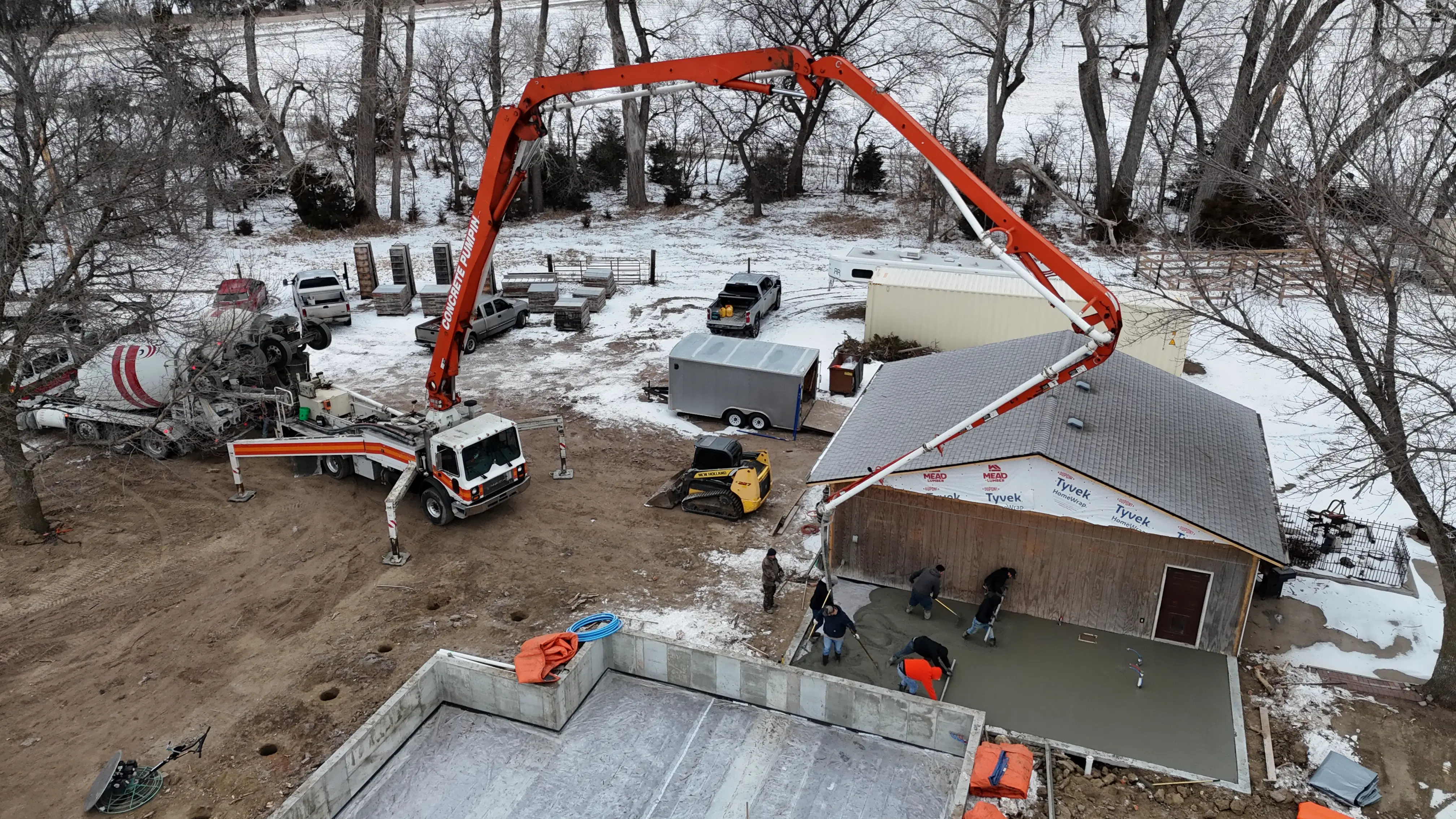
When you work with us, you aren't just getting a crew; you are getting a team of dedicated professionals who treat your project as if it were our own. We have spent years perfecting our techniques, from the way we grade the soil to the way we finish the surface.
Our reputation is built on reliability, durability, and transparent communication. Whether it’s a massive commercial foundation or a simple residential repair, we bring the same level of expertise and state-of-the-art equipment to every job site.
We are always looking for hardworking individuals to join our mission. If you have an eye for detail and a passion for quality, check out our careers page for current openings like our finisher or foreman positions.
Conclusion: Quality That Lasts
Concrete cracking doesn't have to be a mystery. By understanding the science of the material and applying expert prevention strategies, we can create surfaces that stand the test of time. Don't leave your next project to chance. Trust the experienced professionals at H&H Concrete and Construction to deliver the highest quality results.
If you have questions about a current project or need a quote for an upcoming build, reach out to us. We guarantee that with our workmanship and your proper maintenance, your concrete will remain beautiful and durable for many years to come.
Contact H&H Concrete and Construction today for a consultation and let's build something that lasts.
Comments