

Is Low-Carbon Concrete Bad? The Truth About Durability and Type 1L Cement

At H&H Concrete and Construction, we have spent years mastering the art and science of high-quality concrete. As a leading concrete contractor, we stay at the forefront of industry shifts, and right now, the biggest shift is toward sustainability. You may have heard whispers in the industry or read headlines asking, "Is low-carbon concrete bad?" or "Will Type 1L cement ruin my driveway?"
The short answer is no. But as with any innovation in the construction world, the long answer requires a bit more nuance and expertise. If you are a business owner looking for a commercial concrete contractor or a homeowner planning a major renovation, understanding the materials going into your project is essential for long-term satisfaction and durability.
What is Type 1L Cement?
To understand low-carbon concrete, we first have to talk about Type 1L cement, also known as Portland-Limestone Cement (PLC). For decades, Ordinary Portland Cement (OPC) was the gold standard. However, the production of OPC is carbon-intensive.
Type 1L cement is a blended hydraulic cement that increases the limestone content from the traditional 5% up to 15%. This simple change reduces the carbon footprint of the cement production by approximately 10% to 15%. Because the industry is moving toward more sustainable practices, many major manufacturers have transitioned their standard product lines to Type 1L.
Is it a New Technology?
While it might feel new to the local market, PLC has been used in Europe for over 25 years. It is ASTM-sanctioned and widely accepted under the ASTM C595 standard. At H&H Concrete and Construction, we treat it as a modern tool in our arsenal, one that requires a skilled hand and an expert eye to get just right.
Debunking the Myth: Is It Less Durable?
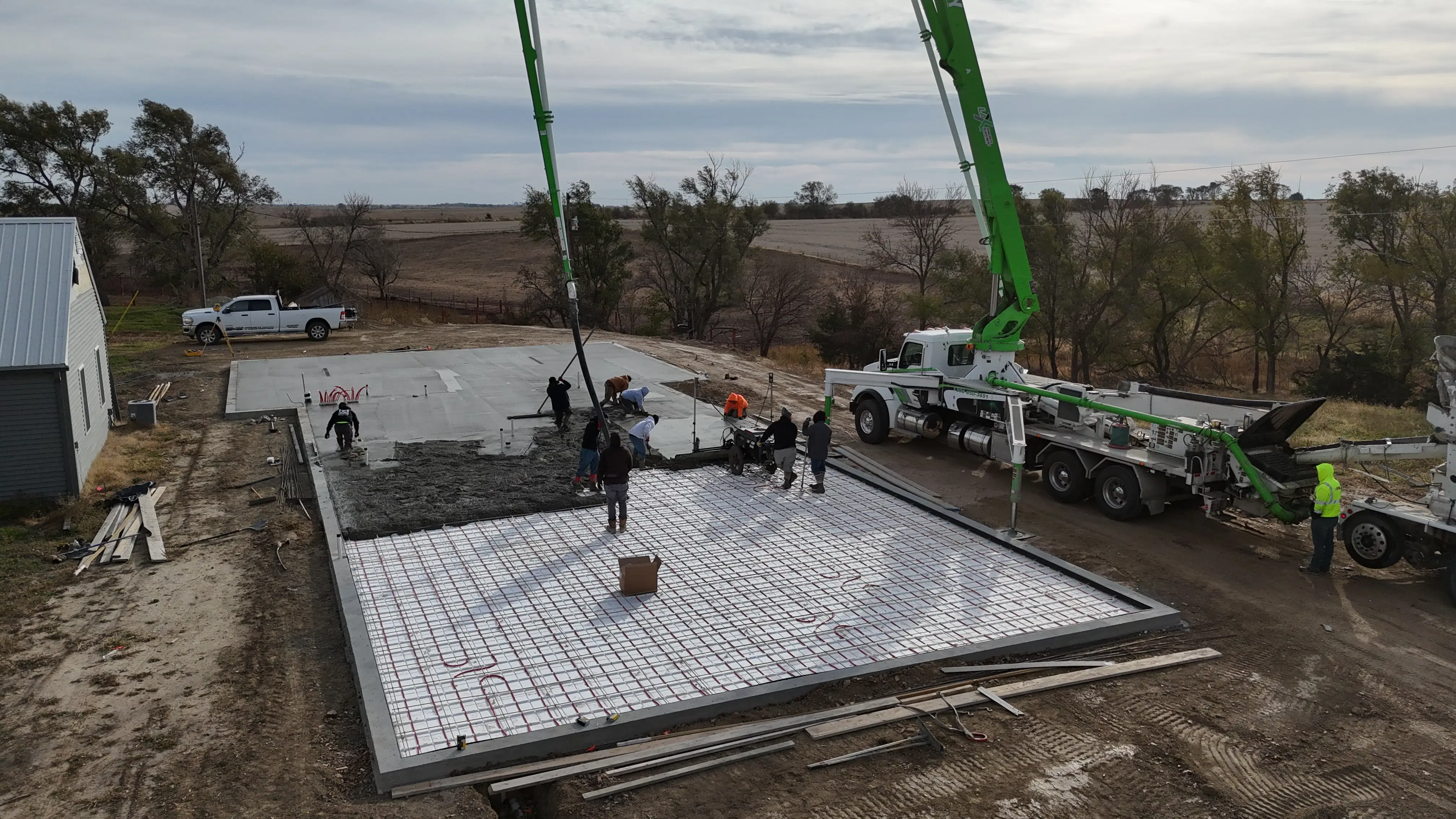
The biggest fear surrounding low-carbon concrete is that "green" means "weak." There is a misconception that by reducing the carbon footprint, we are somehow sacrificing the structural integrity of the slab.
The Reality: Type 1L cement is designed to provide the same physical properties as traditional cement.
Strength: It achieves the same compressive strength as traditional mixes.
Workability: In many cases, it offers better workability, making it easier for a professional concrete contractor to place and finish.
Setting Time: While there can be slight variations depending on the mix design, the setting times are generally comparable to traditional OPC.
Some early reports suggested possible durability issues, but most of these concerns stem from improper mixing or finishing rather than the material itself. When you work with an experienced team like ours, we adjust our mix designs and finishing techniques to match the specific characteristics of the cement type, ensuring a result that lasts for decades.
The Performance Factor: Why Finishing Matters
Low-carbon concrete does behave slightly differently than what some old-school crews are used to. It can affect factors such as:
Bleed Water: Type 1L mixes often produce less bleed water. If a finisher starts working the surface too early or doesn't account for the lack of moisture on top, it can lead to surface crusting.
Color Uniformity: There may be slight variations in color compared to traditional mixes.
Porosity: Because the limestone is ground finer, it can actually create a denser paste, which can improve the overall density of the concrete.
This is why choosing the right commercial concrete contractor is vital. At H&H Concrete and Construction, our finishers understand these nuances. We don't just pour and leave; we monitor the slab’s behavior in real-time, adjusting our tools and timing to ensure the surface is hard, level, and beautiful.
Commercial Benefits: The Future of Infrastructure
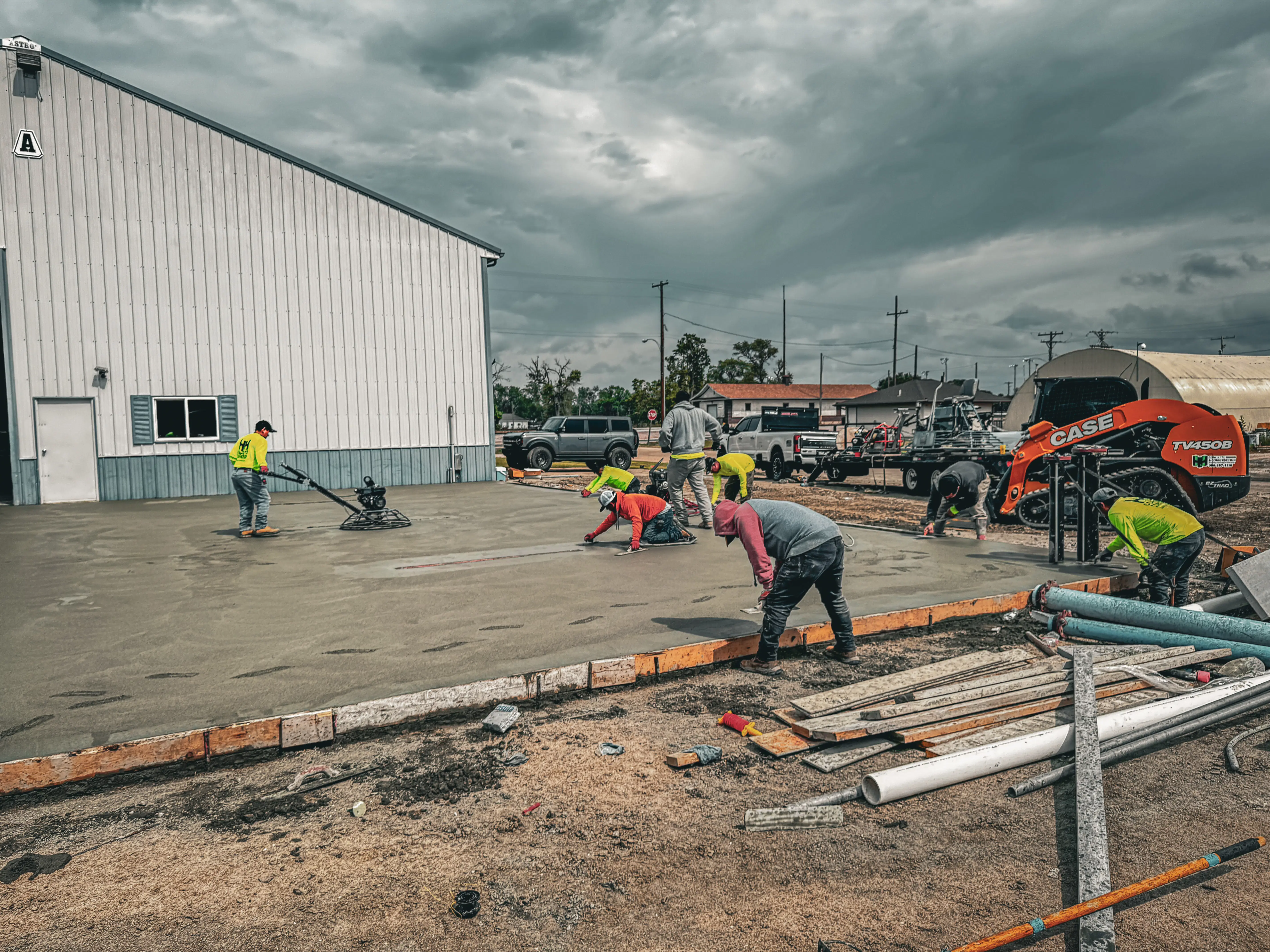
For our commercial clients, the transition to low-carbon concrete isn't just about "being green", it’s about compliance and future-proofing. Many new municipal and state projects are beginning to require lower carbon footprints for new construction.
When you are bidding on a project or developing a new warehouse, using Type 1L cement positions your project as a forward-thinking, environmentally responsible build. Furthermore, because it is becoming the industry standard, specifying it now ensures that you won't face supply chain issues as traditional OPC becomes less available.
If you are looking for an expert team to handle your next commercial project, you can view our previous work here to see the level of precision we bring to every job.
Residential Applications: Durability for Your Home
Homeowners often worry about their driveways or patios cracking under the sun or through the freeze-thaw cycles of a harsh winter. The truth is, Type 1L cement performs excellently in residential settings.
Whether we are pouring a new driveway, a pool deck, or a home foundation, the durability comes from the reinforcement (rebar), the sub-base preparation, and the quality of the finish. Low-carbon concrete provides a reliable and cost-effective solution for homeowners who want the highest quality without the heavy environmental toll.

Common Questions About Low-Carbon Concrete
Does it cost more? Generally, no. Because Type 1L is becoming the standard product for many suppliers, the price is comparable to traditional concrete. In some cases, it can even be more cost-effective as the industry scales up production.
Can it be used for concrete repair? Absolutely. If you need concrete repair for an existing structure, a low-carbon mix can be tailored to match the strength and appearance of your current concrete. We specialize in seamless repairs that restore the integrity of your property.
Is it safe for structural foundations? Yes. Type 1L is used in everything from high-rise buildings to bridge decks. It meets all the necessary safety and structural standards required by modern building codes.
Why H&H Concrete and Construction?
Choosing the right partner for your project makes all the difference. At H&H Concrete and Construction, we combine years of experience with state-of-the-art technology to deliver results that exceed expectations. We understand that your project is an investment, and we treat it with the utmost attention and care.
Our team is composed of experienced professionals who are trained in the latest material sciences. Whether it's a complex commercial foundation or a simple residential sidewalk, we guarantee a professional finish that stands the test of time.
Reliability: You can trust us to show up on time and finish the job right.
Expertise: We stay ahead of industry trends so you don't have to worry about the technical details.
Quality: We use the best materials and the best equipment to ensure a beautiful, durable result.
Conclusion: Embracing the Shift
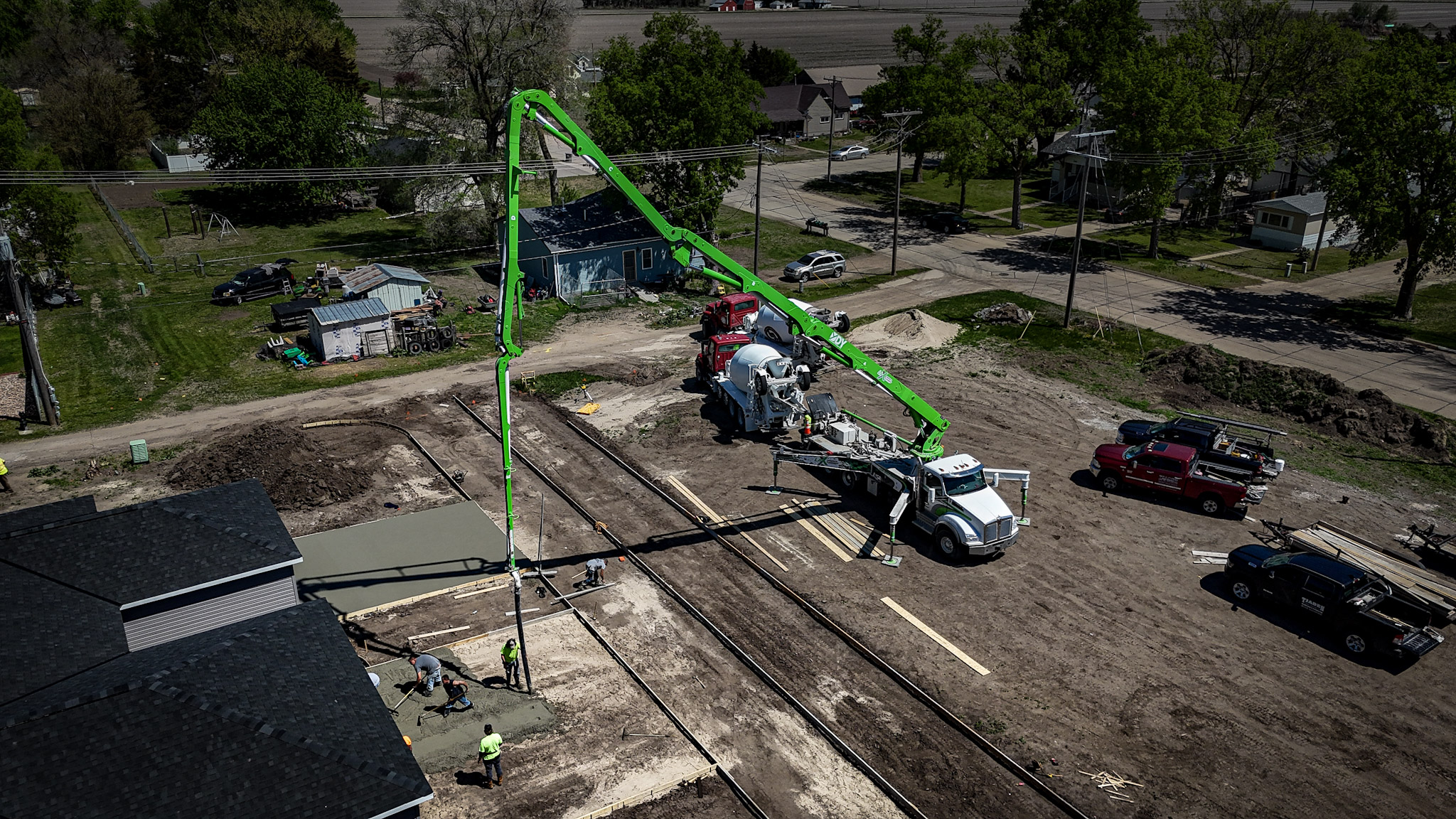
The move toward low-carbon concrete and Type 1L cement is a positive step for the construction industry. It allows us to build the infrastructure of tomorrow without compromising the environment of today. When handled by a professional concrete contractor, these materials offer the same: if not better: performance than the traditional options of the past.
Don't let myths about durability hold your project back. Embrace the future with a team that knows how to handle it. If you have questions about which concrete mix is right for your specific needs, or if you're ready to start your next project, our team is ready to help.
At H&H Concrete and Construction, we are more than just a crew; we are your partners in building something that lasts. Contact us today to discuss your next project and see how we can bring our expertise to your site.
Quick Links:
Comments