

7 Mistakes You’re Making with Your Concrete Repair (And How to Fix Them Before Winter)

Jump to Section: Why Winter is Your Concrete’s Worst Enemy | Jump to Section: The 7 Mistakes | Contact H&H for a Quote
At H&H Concrete and Construction, we’ve been building a concrete future since 2001. Over those two-plus decades, we’ve seen it all: from perfectly cured commercial foundations to residential driveways that look like a jigsaw puzzle after a single Nebraska winter.
If you’re looking at a few small cracks in your driveway or parking lot right now, you might think you have time. You might think a quick trip to the hardware store for a tub of "concrete patch" is all you need. But before you grab that trowel, you need to understand that concrete repair is an art and a science. Doing it wrong doesn’t just waste your Saturday; it can actually make the damage worse when the first freeze hits.
We are honest and reliable, and we want to make sure your property stays beautiful and durable for the long haul. Here are the seven most common mistakes we see property owners make: and exactly how you can avoid them.
Why Winter is Your Concrete’s Worst Enemy
Before we dive into the mistakes, you need to understand the "Freeze-Thaw Cycle." When water gets into a crack, it doesn't just sit there. When the temperature drops, that water turns to ice and expands by about 9%. That expansion puts immense pressure on your concrete, pushing the crack wider. When it thaws, more water gets in, and the cycle repeats.
By the time spring rolls around, a hair-line fracture can turn into a tire-popping pothole. This is why Omaha’s concrete survival guide emphasizes getting ahead of the weather.
1. Treating the Symptom, Not the Cause
The biggest mistake people make is thinking a crack is just a crack. In reality, a crack is often a symptom of an underlying issue like poor drainage, soil settlement, or an unstable subgrade.
The Error: Simply filling a crack with sealer without addressing why it cracked in the first place.
The Fix: Look for the source. Is your downspout dumping water right next to the slab? Is the ground underneath hollow? At H&H, our experienced professionals evaluate the entire site to ensure the repair actually lasts.
2. The "Wait and See" Approach
We get it. You’re busy. But ignoring a "small" crack in October is an invitation for a total replacement in May.

The Error: Assuming the damage will stay the same size through the winter.
The Fix: Perform a "Fall Walkthrough." Inspect your walkways, stairs, and parking lots. If you can fit a credit card into a crack, it’s time to call the experts. Don't fall into the trap of wondering if you really need a new driveway: fix the small stuff now so you don't have to decide later.
3. Poor Surface Preparation
You can’t just pour new concrete over old dirt. If the repair material doesn't bond to the existing slab, it will pop right out the first time a snowplow hits it.
The Error: Patching over oil stains, dirt, or loose, crumbling concrete.
The Fix: The surface must be clean, dry, and "sound." This often requires pressure washing or even mechanical grinding to create a profile the new material can grip. We use state-of-the-art equipment to ensure every repair surface is prepped to the highest quality standards.
4. Choosing the Wrong Repair Material
Not all concrete is created equal. Using a rigid epoxy on a joint that is designed to move is a recipe for disaster.

The Error: Using a generic "one-size-fits-all" patch for every type of damage.
The Fix: You need to match the material to the job. Horizontal cracks need different fillers than vertical ones. High-traffic commercial areas need industrial-grade products. Avoiding these pitfalls is what we do best.
5. DIYing in the Wrong Weather
Concrete is finicky about temperature. If it's too cold, the chemical reaction needed for curing won't happen. If it freezes before it sets, the repair will be brittle and weak.
The Error: Trying to patch your driveway when the overnight low is below 40°F without proper protection.
The Fix: Professional repairs in late fall often require insulating blankets or specialized fast-setting mixes designed for cold weather. Most standard repair materials require the surface temperature to be at least 50°F and rising.
6. Ignoring Expansion Joints and Caulking
Your concrete is designed to move. Expansion joints are the "breathing room" for your slabs. If these joints are filled with dirt or rocks, or if the old caulk is failing, water will seep directly under your foundation.
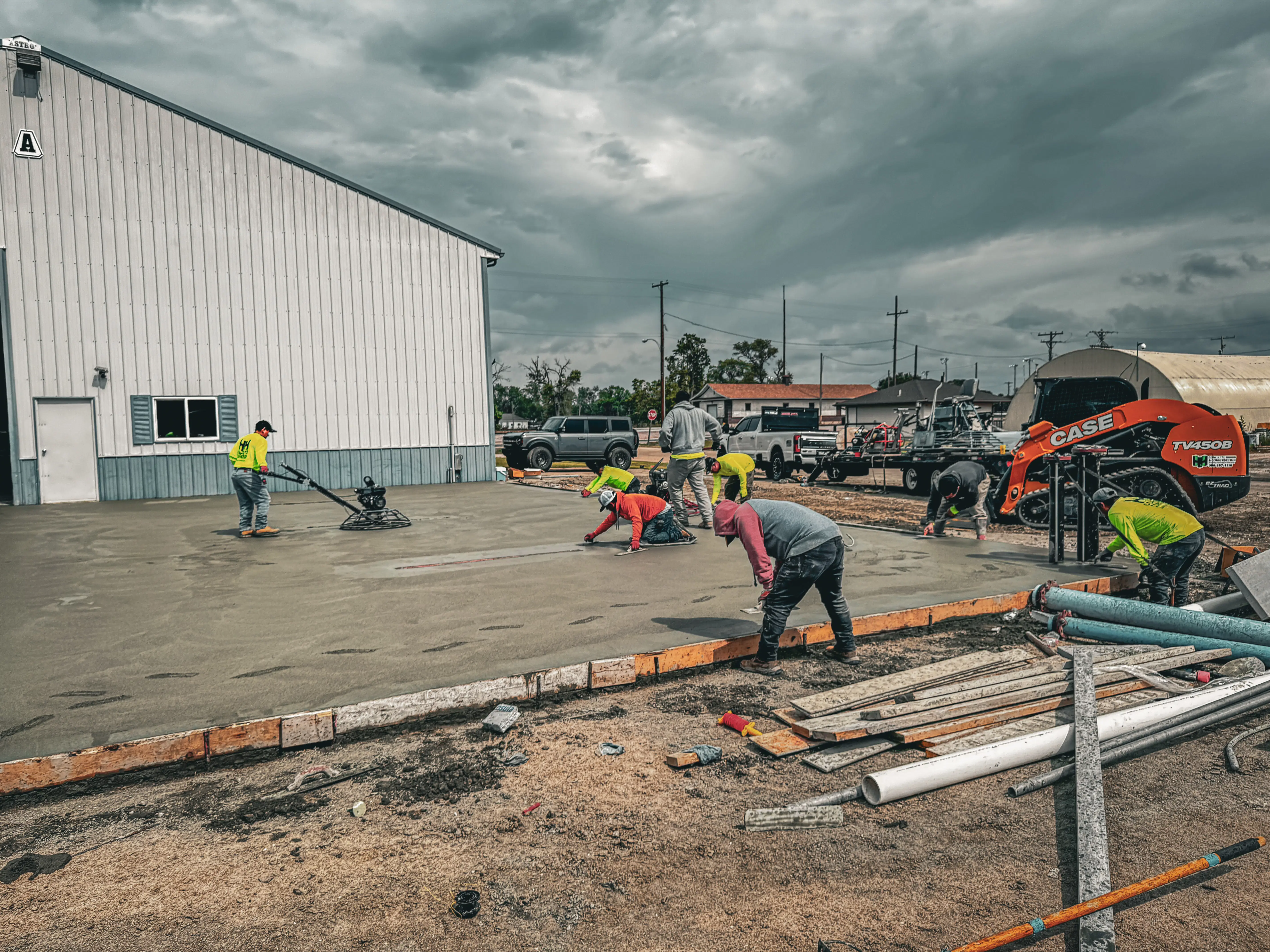
The Error: Neglecting the flexible sealants in your joints.
The Fix: Replace old, cracked caulking with high-quality, flexible polyurethane sealants. This keeps water out of the subgrade and prevents "slab jacking" caused by frozen soil.
7. Skipping the Professional Sealer
Think of sealer like wax on a car. It’s the final line of defense against moisture, salt, and de-icing chemicals.
The Error: Thinking the job is done once the crack is filled.
The Fix: Apply a high-quality penetrating sealer to the entire surface. This is especially critical for residential driveways and walkways where salt from the road will inevitably end up. It’s the most cost-effective way to ensure longevity and durability.
H&H Concrete and Construction: Reliable and Cost-Effective
Since 2001, we’ve been the trusted name for commercial services and residential projects across the region. We pride ourselves on utmost attention to detail and a commitment to getting the job right the first time.
Whether you need a full parking lot redesign or a simple driveway repair, you can trust our years of experience. We provide beautiful, durable concrete solutions that stand the test of time.
Our Services Include:
Commercial Pouring and Finishing
Parking Lot Design and Resurfacing
ADA-Compliant Ramps and Drainage Solutions
Residential Driveways, Patios, and Walkways
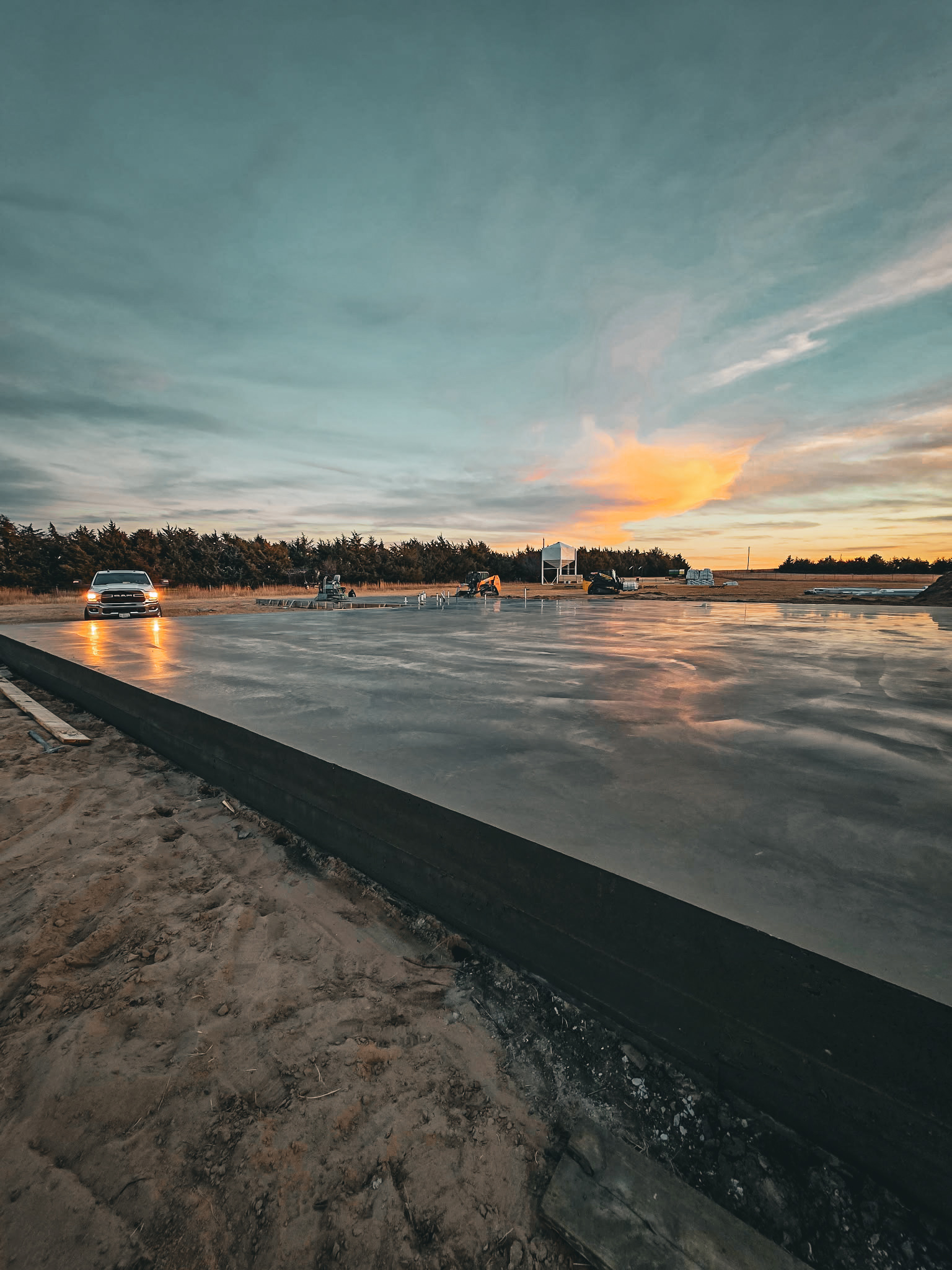
Don't wait for the first snow to fall.
Small repairs today save thousands in replacements tomorrow. Contact the experienced professionals at H&H Concrete and Construction today for a reliable estimate and let us help you build a concrete future.
Get a Free Estimate Today!
Comments